Patrol and control
Plan how mobile staff communicate with a control point or supervisor during a shift.
Radio communication for Security & Surveillance
Security teams need communication practices that support their procedures and responsibilities. Plan around patrol areas, control points, roles and escalation protocols.
 Built around your operation
In the day-to-day
Security and surveillance operations can involve patrol staff, control rooms, supervisors and venue teams working across different areas. Two-way radio communication may support operational check-ins, but it does not replace formal security procedures or guarantee coverage. Build the plan around the organisation’s protocols and site conditions.
Where communication helps
A radio plan is most useful when it reflects the real jobs, work areas and handovers your people manage.
Plan how mobile staff communicate with a control point or supervisor during a shift.
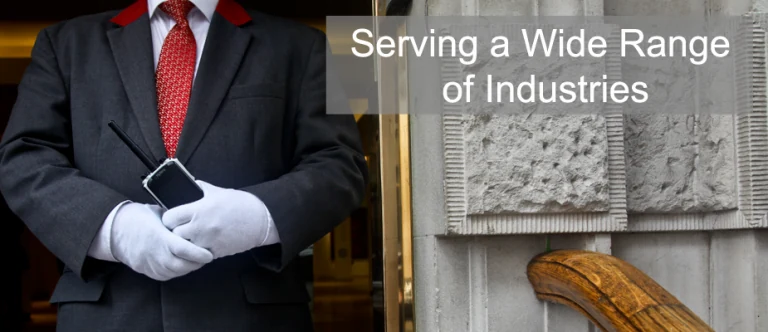
Connect authorised security roles with the wider operations team, including discreet guest-facing work.
Keep radio use aligned with documented escalation, reporting and emergency procedures.
A practical starting point
Share a few details about the operation. Equipment, coverage and availability can then be checked against your specific requirements.
Identify boundaries, levels, public areas, control locations and known signal obstacles.
List authorised radio users, call conventions and who can request support.
Confirm procedures, privacy obligations, record keeping and emergency communication methods.
Plan around your people and place
Start a conversation
Planning for a site, fleet or event? Share a few details and explore a setup shaped around the way your team works.