Site coordination
Plan how teams exchange routine updates within the procedures for that environment.
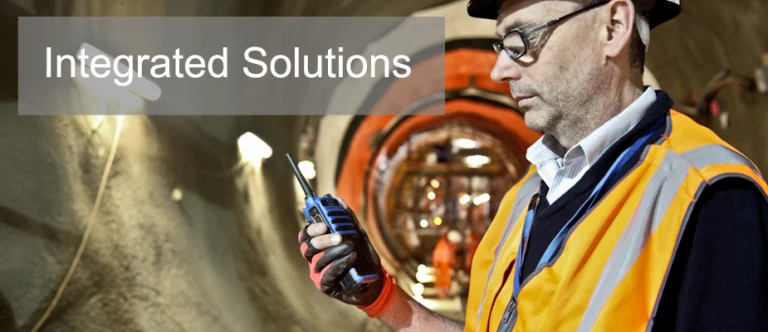
Radio communication for Hazardous Environment
Work in a higher-risk environment needs careful planning. Share the site conditions and applicable safety requirements so equipment suitability can be checked before any decision.
 Built around your operation
In the day-to-day
Some work environments place specific demands on communications equipment and the way teams use it. Two-way radios should only be considered after the hazards, site rules and applicable standards have been identified. This page is a planning prompt, not confirmation that a particular radio is approved or suitable for a hazardous area.
Where communication helps
A radio plan is most useful when it reflects the real jobs, work areas and handovers your people manage.
Plan how teams exchange routine updates within the procedures for that environment.
Identify who needs to communicate with supervisors, control points or support teams.
Keep radio planning aligned with the site’s documented escalation and response arrangements.
A practical starting point
Share a few details about the operation. Equipment, coverage and availability can then be checked against your specific requirements.
Describe the work area, materials, processes and any classified or restricted zones.
Have the responsible safety professional verify required certifications and equipment suitability.
Check channels, user training, inspection routines and emergency communication protocols.
Plan around your people and place
Start a conversation
Planning for a site, fleet or event? Share a few details and explore a setup shaped around the way your team works.